What Heat Does to Exterior Caulk Around Windows and Doors
Exterior caulk is easy to overlook.
Most homeowners do not walk around the house thinking about the thin lines around windows, doors, trim, siding joints, and corners. Caulk is not flashy. It does not change the color of the house. It does not get attention like a front door, fresh siding, or newly painted trim.
But when exterior caulk starts failing, the house notices.
A small crack around a window can let moisture sneak in. A gap beside a door can allow air, rain, insects, and dirt into places they should not be. A dried out caulk line can make fresh paint peel faster. A seam that used to look tight can suddenly look rough, split, or pulled away.
Around Ozark, Missouri summer heat can be tough on caulk. Hot afternoons, direct sun, humidity, storms, and temperature changes all put stress on those sealed areas. Over time, caulk can dry out, shrink, crack, harden, or separate from the surface.
That may sound small, but those little seams protect some of the most vulnerable parts of your home.
Caulk helps protect the edges of your home
Windows and doors have a lot of seams.
There are places where trim meets siding. Places where the frame meets the wall. Corners where water can collect. Small gaps where materials expand and move at different rates.
Caulk helps seal those areas so moisture does not get behind the surface.
When caulk is fresh and flexible, it moves with the home. It helps block water, air, and debris. It also gives paint a cleaner edge to protect.
When caulk fails, those same areas become weak spots.
That is why painters pay close attention to caulk before painting. A beautiful finish cannot do its job if water is sneaking in behind it.
Summer heat can dry caulk out
Missouri summer heat can make exterior caulk age faster, especially on sunny sides of the house.
Caulk needs some flexibility. It has to expand and contract as the home moves through hot days, cooler nights, rain, humidity, and seasonal weather changes.
When heat keeps beating down on the same window or door trim, old caulk can start losing that flexibility.
It may turn hard.
It may shrink.
It may crack.
It may pull away from one side.
It may split down the middle.
Once that happens, the seal is no longer doing its job.
The caulk may still be there, but it is not protecting the joint the way it should.
Direct sun makes the problem worse
The forecast may say 90 degrees, but the surface around a window or door can get much hotter in direct sun.
South and west facing sides usually take the most heat. Dark trim can absorb more sun. Metal doors, storm doors, brick, stone, and concrete can all add reflected heat around the entry.
That repeated heat can make caulk wear unevenly.
You may notice one side of the house has cracked caulk while another side looks fine. That is normal because every side of the home gets different exposure.
We talked about this in Why South Facing Siding Fades Faster in Missouri. The same sun exposure that fades paint can also stress exterior caulk.
Caulk expands and contracts with the house
Homes move a little.
Not in a scary way. Just normal movement from heat, cold, humidity, and settling.
Different materials move differently too. Wood trim, vinyl siding, fiber cement, metal doors, window frames, and painted surfaces can all react to weather in their own way.
Caulk sits between those materials.
That means it has to stretch and move while staying bonded to both sides.
When caulk gets old or dried out, it cannot move well anymore. Instead of stretching, it cracks or pulls loose.
That is when water can start finding its way into gaps.
Cracked caulk can lead to peeling paint
Peeling paint around windows and doors often starts with moisture.
If caulk fails, water can get behind the trim or siding. Once moisture gets under the paint, the coating may start to bubble, lift, or peel.
At first, it may look like the paint itself failed.
But the real problem may be the seam.
This is why painting over cracked caulk is not a lasting fix. The paint may look better for a little while, but the gap underneath still allows moisture in.
Before repainting, failed caulk needs to be removed where necessary and replaced properly.
We covered this idea in Window Trim Painting Tips for Humid Missouri Summers. Trim and caulk work together, especially around windows.
Door frames take a lot of abuse
Exterior doors deal with daily movement.
They open. They close. They get slammed sometimes. They deal with heat from the sun, moisture from rain, and pressure from people coming in and out.
The caulk around door trim can crack or separate over time because that area gets so much use and weather exposure.
Look closely around:
The top of the door frame
The side trim
The threshold area
The corners near the porch
The trim beside sidelights
The area behind storm doors
If the caulk is cracked, missing, or pulling away, the door area may need attention before painting.
A fresh front door color looks great, but the surrounding trim and caulk should be healthy too.
Storm doors can trap heat
Storm doors can protect an entry, but they can also trap heat.
Glass can create a warm pocket between the storm door and the front door. On a sunny summer day, that space can get very hot.
That heat can affect paint, caulk, and door finishes.
If the caulk around the entry is already old or brittle, trapped heat can make the problem worse.
We talked about timing and heat in The Best Time of Day to Paint a Front Door in Summer. The same careful thinking applies to caulk and trim around the door.
Window corners are common problem spots
Window corners deserve a close look.
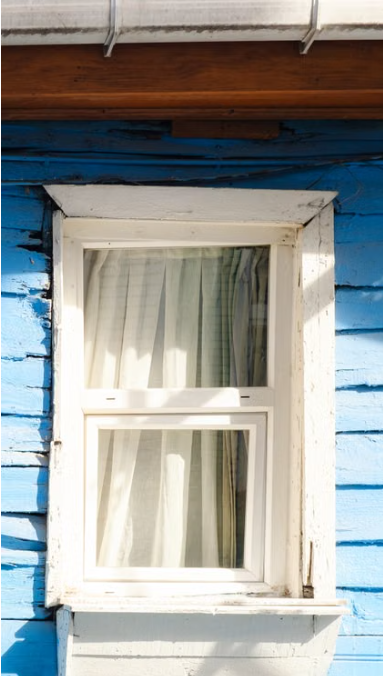
Lower corners often collect more water than other areas. Rain runs down the glass and trim. Moisture can sit along the sill. Dirt and pollen can collect in small seams. Shaded windows may dry slowly after storms.
If the caulk at the lower corners has cracked, water may work its way behind the trim.
You may notice peeling paint, dark staining, soft wood, mildew, or bubbling around the window.
Those are signs the area may need more than a simple touch up.
Humidity slows drying around failed caulk
Heat is only part of the summer problem.
Humidity matters too.
When caulk cracks and moisture gets into a seam, humid weather can keep that area damp longer. The surface may look dry, but the joint behind it may still hold moisture.
That can create trouble before repainting.
If paint goes over a damp area, the finish may not bond well. It may bubble, peel, or fail early.
The EPA has a helpful guide about mold and moisture around the home. It is a useful free resource for understanding why moisture problems should be handled before painting: EPA guide to mold and moisture
Do not caulk over failed caulk without checking it
It can be tempting to run a fresh bead of caulk over an old cracked line and call it done.
Sometimes small touch ups are fine, but badly failed caulk often needs more work.
If old caulk is loose, dirty, cracked, or pulling away, the new caulk may not bond well over it. The joint may look better at first, but it can fail again quickly.
A better approach usually starts with removing the failing caulk where needed, cleaning the joint, letting the area dry, and applying the right exterior caulk properly.
Good caulking is not just filling a gap.
It is creating a flexible seal that can handle weather and movement.
Cheap caulk can cost more later
Not all caulk performs the same way.
Some products dry out faster. Some do not stretch well. Some are not made for exterior use. Some cannot handle the movement around windows and doors.
Using the wrong caulk may save a little money upfront, but it can create bigger problems later.
If the caulk cracks within a season or two, moisture can get behind the paint and cause early failure.
This is why product choice matters.
A professional painter will choose caulk based on the surface, the joint, the exposure, and the painting plan.
Caulk should be checked before exterior painting
Before any exterior painting project, caulk should be part of the inspection.
Painters should look around windows, doors, trim, fascia, siding seams, corners, and other joints. Any cracked, missing, loose, or failed caulk needs attention before paint goes on.
Fresh paint over failed caulk is like putting a clean blanket over a leak.
It may look better, but the problem is still there.
We covered this in What a Professional Painter Actually Does Before Painting and Why Prep Work Matters. Caulking is one of those prep steps that makes a huge difference in how long the finish lasts.
Gutters can make caulk problems worse
If gutters overflow or downspouts dump water near the house, caulk around windows and doors may take extra moisture.
Water running down siding can find weak seams. Splashback near lower trim can keep door areas damp. A leaking gutter corner above a window can send water into the same joint again and again.
Before replacing caulk, check where the water is coming from.
We covered this in What to Check Around Gutters and Downspouts Before You Paint. Water control and paint performance are closely connected.
If the drainage problem stays, the caulk and paint will keep fighting the same battle.
Landscaping can also affect caulk
Plants near windows and doors can trap moisture against the home.
Shrubs under windows can block airflow. Vines can work into seams. Mulch near door trim can hold moisture. Tree shade can keep areas damp longer after rain.
All of that can stress caulk and paint.
We covered this in How Landscaping Can Damage Siding Trim and Fresh Paint.
A little space between the home and the landscaping helps caulk lines dry better after rain and humidity.
Signs your exterior caulk needs attention
Take a slow walk around the house and look closely at the caulk around windows and doors.
Watch for:
Cracks
Gaps
Shrinking
Hard or brittle texture
Caulk pulling away from one side
Missing sections
Dark staining near seams
Peeling paint beside caulk
Mildew near window corners
Soft trim
If you see several of these signs, the caulk may not be protecting the home the way it should.
Can you replace caulk in summer?
Yes, exterior caulk can often be replaced in summer, but timing matters.
The surface should be clean and dry. The area should not be too hot. Direct sun can make application harder. Rain should not be coming soon. The product needs enough time to set properly.
Just like paint, caulk performs best when the conditions are right.
A hot surface, trapped moisture, or rushed timing can affect the result.
Why this matters before fall
Summer is a good time to find caulk problems before fall rain and cooler weather arrive.
If caulk fails in July, and the gap stays open through storms, moisture can continue getting into the trim and siding. By fall, the damage may be worse.
Catching those gaps early helps protect the home before the next season adds more stress.
Small caulk repairs can prevent bigger paint and trim problems later.
How Donnie Ballard Painting can help
Donnie Ballard Painting can help homeowners in Ozark and nearby Missouri areas inspect exterior caulk around windows, doors, trim, and siding before painting.
The goal is not just to make the exterior look fresh.
The goal is to protect the surfaces underneath.
That means checking for cracked caulk, moisture signs, peeling paint, failed seams, and areas where heat or water have caused damage.
Sometimes the home needs targeted caulk replacement and touch ups.
Sometimes caulk failure is a sign that the exterior paint system needs more attention.
Either way, the right plan starts with looking closely.
Contact Donnie Ballard Painting
Window Trim Painting Tips for Humid Missouri Summers
The Best Time of Day to Paint a Front Door in Summer
Can You Paint a House in 90 Degree Weather in Missouri
What to Check Around Gutters and Downspouts Before You Paint
How Landscaping Can Damage Siding Trim and Fresh Paint
What a Professional Painter Actually Does Before Painting and Why Prep Work Matters
Ready to check the caulk around your windows and doors?
If the caulk around your windows or doors looks cracked, dry, loose, stained, or separated, do not ignore it.
Those small lines do important work.
They help keep moisture out, protect trim, and support the life of your exterior paint.
For homeowners in Ozark and nearby Missouri areas, Donnie Ballard Painting can inspect the problem areas, prep the surface properly, and help your exterior paint job start with a stronger foundation.
A good paint job is not only about color.
Sometimes it starts with the smallest seams around the house.
Recent Comments