Can You Paint a House in 90 Degree Weather in Missouri
Painting the outside of a house in Missouri summer can feel like a race against the weather.
One day it rains. The next day the sun comes out strong. By afternoon, the siding feels hot to the touch, the driveway is baking, and the forecast is sitting close to 90 degrees.
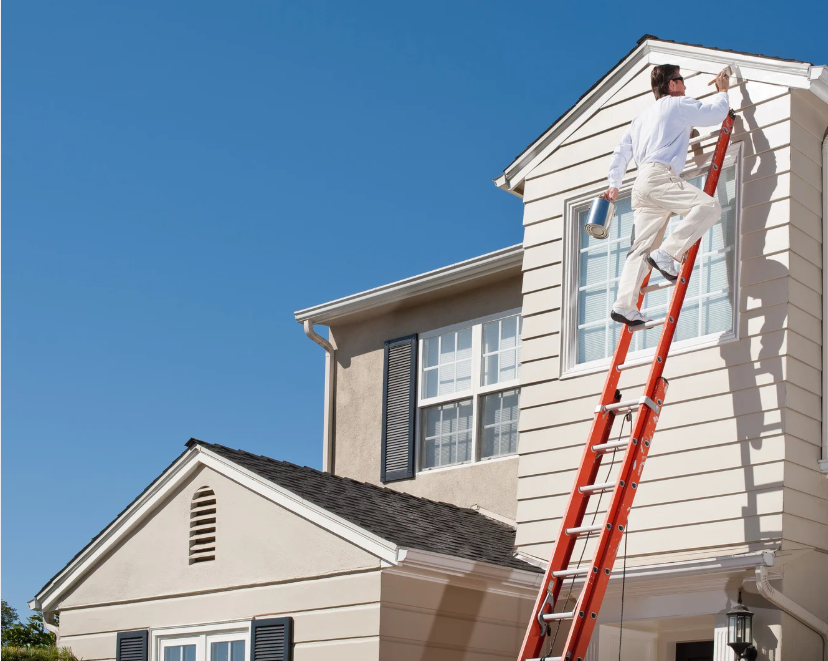
That is usually when homeowners start wondering if exterior painting can still happen.
Can you paint a house in 90 degree weather?
Sometimes, yes.
But it depends on the surface temperature, direct sunlight, humidity, wind, shade, the type of paint being used, and how soon the weather may change. The number on the forecast matters, but it does not tell the whole story.
Around Ozark and nearby Missouri areas, summer painting takes more planning than people think. Paint needs the right conditions to bond, level, dry, and cure properly. If the surface is too hot or the paint dries too fast, the finish may not hold up the way it should.
So before you grab a brush or schedule an exterior repaint during a hot week, here is what you need to know.
Air temperature is not the only thing that matters
When the forecast says 90 degrees, that is the air temperature.
The surface of your siding, trim, garage door, deck railing, or front door may be much hotter than that, especially in direct sun.
A wall that faces the afternoon sun can heat up quickly. Metal garage doors can get especially hot. Dark siding and dark trim can absorb more heat than lighter colors.
That matters because paint is applied to the surface, not the air.
If the surface is too hot, paint may dry before it has time to flow and bond correctly. You may see brush marks, lap marks, uneven sheen, poor adhesion, or early peeling later.
A good painting plan looks at both the forecast and the actual surface conditions.
Direct sun can make painting harder
Direct sun is one of the biggest problems with hot weather painting.
Paint needs time to settle. When the sun is beating down on the surface, the top layer can dry too quickly. That can trap issues underneath or create a finish that does not look smooth.
This is why professional painters often work around the sun instead of fighting it.
They may start on a shaded side of the house, move with the shade, and avoid painting surfaces that are baking in direct afternoon heat.
A sunny day is not automatically bad for painting.
But painting the wrong side of the house at the wrong time of day can create problems.
Humidity also changes the answer
Missouri summer heat does not usually come alone.
Humidity is often part of the picture.
High humidity can slow drying because moisture in the air makes it harder for water based paint to release moisture properly. So while direct sun can make paint dry too fast on the surface, humidity can slow the deeper drying process.
That combination can be tricky.
The paint may feel dry on top but still need more time to cure underneath. If rain, dew, or heavy humidity hits too soon, the finish may be affected.
This is why a painter should look at more than just the daytime high. Morning humidity, overnight dew, evening temperatures, and rain chances all matter.
Benjamin Moore has a helpful guide on exterior painting temperatures and weather conditions. It is a useful free resource for homeowners who want to understand why timing matters before painting outside: Benjamin Moore exterior temperature guide
Morning is often better than late afternoon
During hot Missouri summers, timing can make a big difference.
Morning may offer cooler temperatures and better working conditions, especially on sides of the home that are not still wet from dew.
But there is a balance.
If the surface is damp from overnight moisture, painting too early can cause problems. If you wait too long, the surface may get too hot.
That is why the best time is not always the same every day.
A painter may check whether the siding is dry, whether the wall is shaded, how hot the surface feels, and what the forecast looks like for the rest of the day.
Good exterior painting is part skill and part timing.
Some surfaces heat up faster than others
Not every part of the exterior reacts to heat the same way.
Garage doors can get hot fast, especially if they are metal or face west.
Dark trim absorbs more heat than white trim.
South and west facing siding usually get more sun exposure.
Deck railings and porch surfaces can heat up quickly.
Front doors may bake in afternoon sun if they are exposed.
This matters because one side of the house may be paintable while another side is too hot.
We covered sun exposure more in Why South Facing Siding Fades Faster in Missouri. The same sun that fades paint over time can also make painting conditions harder during summer.
Paint product matters too
Different paints have different application guidelines.
Some exterior paints are designed to handle a wider temperature range than older products. But that does not mean you can ignore conditions completely.
Even good paint needs a clean, dry, stable surface and a reasonable weather window.
Product instructions matter because they explain the temperature range, drying conditions, recoat time, and surface requirements.
Skipping those guidelines can shorten the life of the paint job.
A strong paint product helps, but it cannot fix poor timing or bad prep.
Painting in heat can cause lap marks
Lap marks happen when one area of paint dries before the next section blends into it.
Hot weather makes this more likely because paint can dry quickly on the surface.
You may notice uneven color, streaks, or sections that look different depending on how the light hits them.
This is especially noticeable on larger siding areas.
To avoid this, painters need to work in manageable sections and keep a wet edge. That becomes harder when the wall is hot and the sun is drying the paint too quickly.
This is one reason exterior painting in summer should not be rushed.
Heat can make prep work harder too
Painting is not just about the finish coat.
The surface needs prep first.
That may include washing, scraping, sanding, caulking, priming, and letting everything dry properly.
In hot weather, prep work needs its own timing. Caulk may skin over differently. Primer may dry faster than expected. Washed surfaces may look dry quickly but still hold moisture in seams or shaded areas.
We covered this in What a Professional Painter Actually Does Before Painting and Why Prep Work Matters.
Prep work decides how well paint can bond. Heat does not make prep less important. If anything, it makes careful prep more important.
Watch for overnight dew
Homeowners often think about rain, but dew can matter too.
In humid Missouri weather, surfaces can collect moisture overnight. That can leave siding, trim, railings, and doors damp in the morning.
If paint goes on before the surface dries, adhesion can suffer.
This is why a day can look sunny and still not be ready right away.
The painter has to check the surface, not just the sky.
Rain later in the day can ruin good timing
A hot morning may seem like a great chance to paint, but afternoon storms can change the plan.
Missouri summer storms can pop up quickly. If fresh paint does not have enough dry time before rain arrives, the finish may streak, spot, wash, or cure poorly.
That is why the forecast matters from morning through night.
A smart exterior painting plan leaves enough drying time before moisture returns.
If the weather looks unstable, it may be better to wait.
Dark colors need extra caution
Dark colors can look beautiful on trim, shutters, garage doors, and accent areas.
But dark colors absorb more heat.
On a 90 degree day, a dark surface in direct sun may become much hotter than the air temperature. That can affect application and long term performance, depending on the material and coating.
This matters most on garage doors, vinyl siding, shutters, and other surfaces that may react poorly to heat.
We covered this in Garage Door Painting in Ozark MO What Homeowners Should Know.
If you are choosing a dark color for a sunny side of the home, it is worth asking questions before painting.
When 90 degrees may be too hot
A 90 degree day may be too hot for painting if the surface is in direct sun, the siding feels hot to the touch, humidity is high, wind is drying the paint too fast, or storms are expected later.
It may also be a poor choice if the project involves large sunny walls, dark colors, metal surfaces, or areas that already have adhesion problems.
The issue is not just comfort.
It is whether the paint can perform correctly.
When the conditions work against the product, the finish may look fine at first but fail sooner than expected.
When painting may still be possible
Painting may still be possible on a 90 degree day if the surface is shaded, dry, and not overheated.
Smaller areas may be manageable if timing is right. A shaded trim section may be fine while the west facing siding is too hot. A porch area may work in the morning but not later in the day.
This is where experience matters.
A professional painter knows when to move forward and when to wait.
That judgment can protect the final result.
Why homeowners should avoid rushing summer painting
Summer schedules get busy. Homeowners want the exterior looking good before guests arrive, before selling, or before fall.
That makes it tempting to paint whenever there is a sunny day.
But a hot sunny day is not always the best painting day.
Rushing can lead to poor adhesion, uneven finish, visible marks, or early peeling. Then the project costs more later because the failed areas need to be corrected.
A little patience can save a lot of frustration.
How to plan exterior painting during Missouri summer
If you are planning to paint during a hot month, start with a flexible mindset.
Look for a stretch of weather that gives the paint time to dry and cure. Avoid the hottest part of the day when possible. Work with shade. Watch humidity and storms. Check the surface instead of relying only on the forecast.
Also make sure the home is ready before the painting day arrives.
That means cleaning siding, trimming landscaping, checking gutters, inspecting caulk, and repairing damaged trim.
We covered many of those steps in How to Make Your Exterior Paint Last Longer in Ozark MO.
How Donnie Ballard Painting can help
Donnie Ballard Painting understands that Missouri weather can be unpredictable.
Exterior painting in Ozark is not just about choosing a color and starting the job. It is about choosing the right conditions, preparing the surface, and applying the paint when it has the best chance to perform.
On hot summer days, that may mean adjusting the schedule, working around shade, checking surface temperature, and avoiding areas that are too hot.
The goal is not to force the job through bad conditions.
The goal is to do it right so the finish looks good and holds up.
Contact Donnie Ballard Painting
Why South Facing Siding Fades Faster in Missouri
Garage Door Painting in Ozark MO What Homeowners Should Know
What a Professional Painter Actually Does Before Painting and Why Prep Work Matters
How to Make Your Exterior Paint Last Longer in Ozark MO
7 Signs Your Exterior Paint Is Failing After Missouri Heat and Humidity
Ready to paint during Missouri summer?
If your home needs exterior painting and the forecast keeps showing 90 degree days, do not assume the project is impossible.
But do not assume every hot day is safe for painting either.
The right answer depends on shade, surface temperature, humidity, rain chances, product choice, and prep work.
For homeowners in Ozark and nearby Missouri areas, Donnie Ballard Painting can help you choose the right timing and create a plan that works with the weather, not against it.
Fresh paint should not be rushed onto a hot surface.
It should be applied when the home is ready and the conditions give the finish a real chance to last.
Recent Comments