How to Spot Sun Damage on Garage Doors Shutters and Trim
Sun damage does not always show up all at once.
Most of the time, it sneaks in slowly. A garage door looks a little dull. The shutters do not have the same rich color they used to. The trim around the windows looks dry, faded, or chalky. One side of the house looks older than the other, even though everything was painted around the same time.
At first, it is easy to ignore.
Then one day you pull into the driveway and notice the front of the house looks tired.
Around Ozark, Missouri, exterior surfaces take a lot of sun during the summer. Garage doors, shutters, and trim often show damage faster than larger siding areas because they sit in direct light, have edges and details, and sometimes absorb more heat depending on the color and material.
The good news is that sun damage usually gives warning signs before the surface completely fails.
You just have to know what to look for.
Why garage doors shutters and trim show sun damage first
Garage doors, shutters, and trim are smaller details, but they work hard visually.
They frame the home. They add contrast. They shape curb appeal. They are also exposed to heat, sunlight, humidity, rain, and daily temperature changes.
A large siding wall may fade slowly over time, but garage doors and shutters can look worn faster because they often have darker colors, more direct sun exposure, or factory finishes that begin to dull with age.
Trim can also suffer quickly because it has corners, seams, caulk lines, and edges where paint may wear down.
That is why these areas deserve a close look during summer.
Fading is usually the first sign
The first sign of sun damage is often fading.
A once rich color starts looking washed out. Black shutters turn gray. Navy looks dusty. Brown looks flat. White trim may look dull instead of crisp. A garage door may lose the clean color it had when it was newer.
Fading happens because sunlight slowly breaks down the surface coating.
This is especially common on south and west facing areas because those sides usually receive stronger sun exposure. We covered this in Why South Facing Siding Fades Faster in Missouri, and the same idea applies to shutters, trim, and garage doors.
If one side of the home looks noticeably more faded than the others, sun exposure is probably part of the reason.
Chalking is another warning sign
Chalking is when the surface leaves a powdery residue on your hand.
Try rubbing your fingers across the garage door, shutter, or trim. If a dusty film comes off, the coating may be breaking down from sun and weather.
A little chalking can happen as paint ages. Heavy chalking means the finish is wearing out more seriously.
This matters because new paint should not go directly over chalky residue. The surface needs cleaning and prep first.
We talked about this in Can You Paint Over Chalking Exterior Paint or Should You Strip It. A chalky surface needs attention before repainting because paint should bond to the actual surface, not the powder sitting on top of it.
Garage doors can take a lot of heat
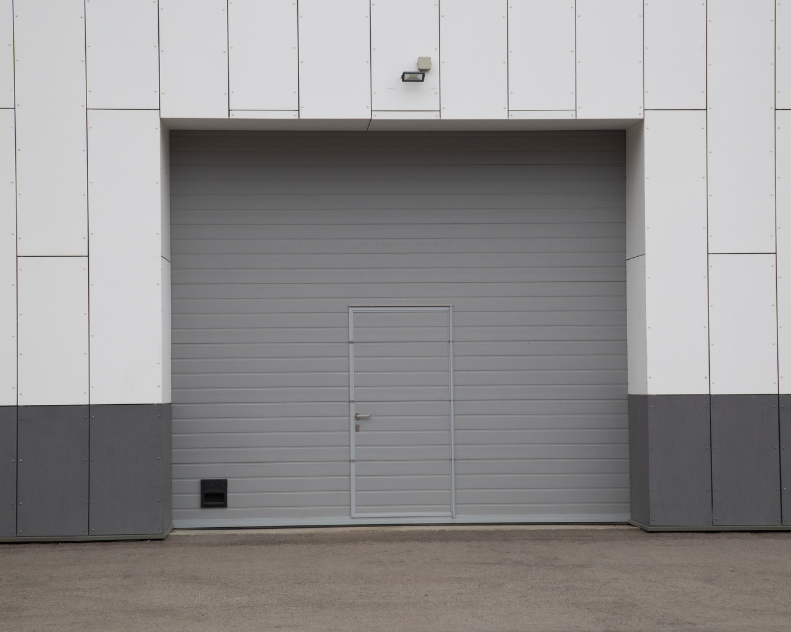
Garage doors are one of the biggest visible parts of the front of many homes.
They also take a lot of sun.
If your garage door faces west or south, it may get hot for hours during summer. Darker colors make this more noticeable because they absorb more heat.
Over time, you may see fading, chalking, dull spots, peeling near edges, or worn areas around panel grooves. Metal garage doors may show heat stress differently than wood or vinyl surfaces, so the material matters too.
Clopay has a helpful garage door color guide that talks about color and heat considerations for garage doors. It is a useful free reference for homeowners thinking about darker colors or garage door updates: Clopay garage door color guide
If your garage door looks faded even after cleaning, it may be time to think about repainting or refinishing.
Shutters often fade unevenly
Shutters can make a home look sharp when the color is clean and balanced.
But once they fade, they can make the whole front of the house feel older.
Because shutters are often darker than siding, they may show sun damage more clearly. Black, navy, green, brown, and burgundy shutters can all lose richness over time.
Look for:
Color that looks washed out
Gray or dusty surface
Uneven fading from top to bottom
Chalky residue
Peeling near screw holes
Cracks or brittleness
Shutters on the sunny side may look worse than shutters on the shaded side. That does not mean the whole exterior is failing at the same rate. It means the sun is hitting those areas harder.
Trim can dry out and crack
Exterior trim deals with sun, moisture, and movement.
Around windows, doors, fascia, and corners, trim may start looking dry before it starts peeling. The paint can lose its smooth finish. Caulk lines can crack. Edges may look rough. Corners may start lifting or showing bare spots.
Sun damage on trim can be easy to miss because trim is usually narrow.
But when trim starts failing, moisture can get into seams and edges. That can lead to peeling paint, soft wood, and more repair work later.
We covered trim issues in Window Trim Painting Tips for Humid Missouri Summers and What Heat Does to Exterior Caulk Around Windows and Doors.
Sun damage and caulk failure often show up together.
Dark colors show damage faster
Dark colors can look beautiful on garage doors, shutters, and trim.
They also show sun damage more clearly.
A black shutter that fades to gray is easy to spot. A deep green garage door that becomes dull may stand out from the rest of the exterior. Dark trim that absorbs heat may show cracking or chalking sooner than a lighter finish.
This does not mean homeowners should avoid dark colors completely.
It just means dark colors need the right product, the right prep, and realistic expectations about sun exposure.
We talked about this in Why Dark Paint Colors Can Be Risky on Vinyl Siding. Even though that blog focuses on vinyl siding, the heat and color lesson applies to other exterior surfaces too.
Look at the home during different times of day
Sun damage can look different depending on the light.
A garage door may look fine in the morning but dull in afternoon sun. Trim may look clean from the driveway but rough when side light hits it. Shutters may show uneven color only when the sun is at a certain angle.
Walk around the home at different times of day if you can.
Morning light may show dirt and mildew. Afternoon light may reveal fading and chalking. Evening light may make peeling edges and surface texture easier to see.
This simple walk around can help you understand which areas are aging faster.
Cleaning helps reveal the real condition
Before deciding whether something needs repainting, clean it first.
Garage doors, shutters, and trim can collect dust, pollen, cobwebs, mildew, dirt, and rain streaks. Sometimes a surface looks sun damaged because it is dirty.
Other times, cleaning reveals the truth.
Once the grime is gone, you may see faded paint, chalking, peeling, cracking, or worn caulk.
We covered this in How to Clean Siding Before Summer Heat and Humidity in Ozark MO. The same idea applies here. A clean surface tells a more honest story than a dirty one.
Peeling around edges is a serious clue
Fading is mostly cosmetic at first.
Peeling is more serious.
If paint is peeling around shutter edges, garage door panels, window trim, or door trim, the surface needs attention. Peeling means the coating is no longer staying attached.
Sun can contribute to this by drying out the surface and weakening the finish over time. Moisture often adds to the problem.
Once peeling starts, it can spread if it is ignored.
Do not just paint over peeling areas. Loose paint needs removal, rough edges need sanding, and bare spots may need primer before repainting.
Watch the caulk around trim
Sun damage does not stop at the paint.
Caulk can dry out too.
Around windows, doors, and trim, caulk may crack, shrink, split, or pull away from one side. Once that happens, water can get behind the trim and damage the paint from underneath.
If the trim looks faded and the caulk looks cracked, handle both before repainting.
Fresh paint over failed caulk will not solve the real issue.
This is one of those details that separates a quick cover up from a paint job that has a better chance to last.
Sun damage can hurt curb appeal fast
Garage doors, shutters, and trim are some of the first things people notice from the street.
When they fade, the whole home can look tired.
The siding might still be okay. The roof might look fine. The landscaping may be neat. But if the garage door is dull, the shutters are chalky, and the trim is faded, the front of the home can still feel neglected.
That is why these smaller painting projects can make a big difference.
A refreshed garage door, clean shutters, and crisp trim can make the home look more cared for without always repainting the full exterior.
When touch ups may work
Touch ups may work when the damage is limited and the surrounding paint is still healthy.
For example, one small area of trim may need sanding, priming, and repainting. A garage door may need a fresh finish if the surface is sound. Shutters may be repainted if they are faded but still in good condition.
But touch ups can be tricky when fading is widespread.
Fresh paint may look brighter than the older surrounding finish. A patched area may stand out if the rest of the surface has faded over time.
We talked about this in Exterior Touch Ups to Do Before Fourth of July Guests Arrive. Touch ups work best when the bigger surface still has life left in it.
When repainting is the better choice
Repainting may be the better choice if the garage door, shutters, or trim show heavy fading, chalking, peeling, cracked caulk, or uneven color after cleaning.
It may also make sense if the home looks tired from the street and several accent areas are aging at the same time.
A professional painter can look at the condition and help decide whether targeted painting is enough or whether the full exterior needs a larger plan.
The goal is not to repaint more than needed.
The goal is to choose the option that actually solves the problem.
How to help prevent sun damage from getting worse
You cannot stop the sun from hitting the house, but you can help the exterior hold up better.
Keep surfaces clean. Trim landscaping so moisture does not sit against paint. Check caulk around windows and doors. Fix peeling areas early. Choose quality exterior products. Be careful with very dark colors on high sun areas. Do not ignore chalking.
Good maintenance helps paint last longer.
We covered this in How to Make Your Exterior Paint Last Longer in Ozark MO. Summer inspections are part of that routine.
How Donnie Ballard Painting can help
Donnie Ballard Painting can help homeowners in Ozark and nearby Missouri areas spot sun damage before it turns into bigger paint failure.
That means looking closely at garage doors, shutters, trim, caulk, surface condition, color fading, chalking, and peeling.
Sometimes the home only needs targeted updates.
Sometimes the garage door or shutters need repainting.
Sometimes sun damage is one sign that the exterior paint system is getting tired.
Either way, an honest inspection helps you choose the right next step.
Contact Donnie Ballard Painting
Why South Facing Siding Fades Faster in Missouri
Can You Paint Over Chalking Exterior Paint or Should You Strip It
Garage Door Painting in Ozark MO What Homeowners Should Know
What Heat Does to Exterior Caulk Around Windows and Doors
Why Dark Paint Colors Can Be Risky on Vinyl Siding
How to Make Your Exterior Paint Last Longer in Ozark MO
Ready to check your garage door shutters and trim?
If your garage door looks faded, your shutters look chalky, or your trim looks dry and worn, do not wait until the damage spreads.
Sun damage usually starts quietly.
A little fading here. A little chalking there. A caulk line that starts to crack. A trim edge that begins to peel.
Catching those signs early can help protect the home and keep the exterior looking cared for.
For homeowners in Ozark and nearby Missouri areas, Donnie Ballard Painting can take a closer look and help decide whether cleaning, touch ups, repainting, or a larger exterior plan makes the most sense.
A home does not have to look worn out just because summer sun has been hard on it.
Sometimes the right refresh in the right places brings the whole exterior back to life.
Recent Comments