Interior painting sounds like one of those summer projects that should be simple.
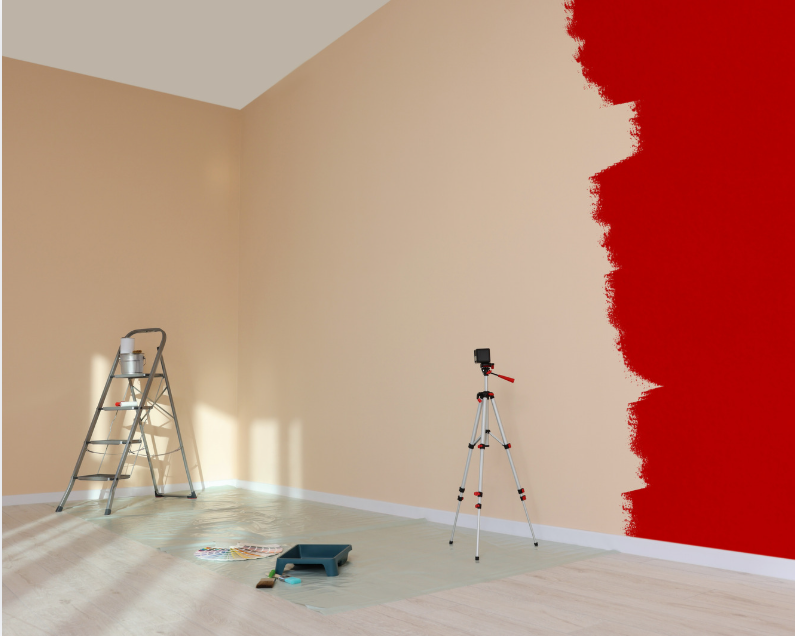
You pick a room. You choose a color. You move a few things out of the way. Maybe you tape off the trim, open a window, and think, “This should be done by tonight.”
Then Missouri humidity has other plans.
Around Ozark, summer air can feel thick even when you are inside with the air conditioning running. The walls may feel dry after a few hours, but that does not always mean the paint is ready for normal life again.
That is where people get surprised.
A room looks finished, so the furniture gets pushed back. Picture frames go back on the wall. Kids and pets move through like nothing happened. Someone wipes a little mark off the fresh paint too soon. A few days later, the wall still feels soft, the finish looks uneven, or a scuff shows up way easier than expected.
It is frustrating because the paint looked fine at first.
The truth is, fresh paint needs time to settle. In humid Missouri summers, it also needs the right conditions to dry and cure the way it should.
Dry paint is not always cured paint
This is the part that trips people up the most.
Paint can feel dry before it is fully cured.
Dry means you can touch the wall without paint coming off on your hand. Cured means the paint has hardened enough to handle everyday use, cleaning, furniture, wall decor, and all the normal bumps that happen in a busy home.
Those are not the same thing.
A wall can look finished and still be in that early stage where it needs a little patience. The color may be set. The surface may look smooth. But underneath, the coating is still getting stronger.
So when a room looks done, try not to treat it like it has been painted for months.
Give it a little breathing room.
Humidity slows everything down
Paint needs moisture to leave the coating as it dries.
When the air inside the home already feels humid, that process can take longer. It is a little like trying to dry a towel in a damp bathroom. It may dry eventually, but it will not dry as fast as it would in a room with good airflow.
The same idea applies to interior paint.
Bathrooms, laundry rooms, kitchens, basements, and closed bedrooms can all hold extra moisture. During an Ozark summer, those rooms may need more time than homeowners expect.
The EPA has a helpful guide about indoor air quality during remodeling, including ventilation and moisture concerns. It is a good free resource for homeowners planning work inside the home: EPA remodeling and indoor air quality guide
For painting, the takeaway is simple.
Fresh paint does better when the room has steady air movement, comfortable temperature, and less trapped humidity.
Air conditioning helps, but it is not magic
A good air conditioning system can make interior painting much easier in summer.
It keeps the home cooler and can pull some moisture out of the air. That helps paint dry more evenly than it would in a hot, sticky room.
But air conditioning does not fix every issue.
Some rooms still stay damp. A bathroom can hold steam long after a shower. A laundry room can feel humid after running the dryer. A basement may feel cool but still have moisture in the air. A closed bedroom may not get much circulation at all.
So yes, keep the air conditioning running if it helps the room feel stable.
Just do not assume the paint is curing perfectly only because the house feels cool.
Give the room some airflow
After painting, it is tempting to close the door and leave the room alone.
That makes sense if you have kids, pets, dust, or people walking through the house.
Still, a room that is completely closed off can trap stale air. The paint needs a little movement in the room so moisture can leave the surface.
This does not mean you need to blast a fan straight at the wall. Too much direct air can cause its own problems. Gentle airflow is better.
A ceiling fan on low can help.
An open interior door can help.
A fan moving air across the room can help.
A working bathroom exhaust fan can help.
The goal is not to rush the paint.
The goal is to help the room breathe.
Do not paint right after the room was steamy
This sounds small, but it matters.
If someone just took a hot shower, the bathroom is not ready for paint yet. If the kitchen just handled a lot of cooking, the air may still have steam, grease, and moisture in it. If laundry has been running all afternoon, that room may feel damp too.
Fresh paint does not love damp surfaces or heavy air.
Before painting those rooms, let the space calm down. Run the exhaust fan. Let the walls dry. Give the room time to feel normal again.
Paint sticks better when the surface is clean and dry.
We talked about this more in Why Paint Peels Inside Your House and What Causes It in Ozark MO. A lot of interior peeling starts because moisture keeps getting between the wall and the paint.
Prep still matters inside the house
Some people think interior painting is mostly about the color.
The color matters, of course. That is the fun part.
But the finish depends heavily on what happens before the paint goes on.
Walls collect more than people realize. Dust near baseboards. Fingerprints around light switches. Grease in the kitchen. Soap residue in bathrooms. Marks from furniture. Small dents. Old nail holes. Glossy spots from previous paint.
If paint goes over all of that without proper prep, the final result may not look as clean or last as long.
A good interior paint job often starts with cleaning, patching, sanding, priming where needed, and making sure the wall is actually ready.
We covered this in What a Professional Painter Actually Does Before Painting and Why Prep Work Matters. Prep is not just an exterior thing. Interior walls need it too.
Be patient with the second coat
A second coat can make a huge difference.
It helps the color look richer. It evens out thin spots. It gives the wall a cleaner, more finished look.
But in humid weather, timing matters.
If the second coat goes on too soon, the first coat may not be ready. The surface may look dry, but the paint may still need more time. Humidity can stretch that waiting period, especially in rooms with poor airflow.
This is one of those places where patience pays off.
Following the paint product’s recoat time matters, but so does paying attention to the room itself. If the room feels damp or heavy, the wall may need extra time.
Move furniture back carefully
This is where real life usually takes over.
Nobody wants their house torn apart longer than necessary. Once the paint looks good, most homeowners want the room put back together right away.
The couch goes back. The bed moves back against the wall. A bookshelf gets pushed into place. Frames go back up. Curtains get rehung. Life continues.
But fresh paint can still be tender.
If furniture touches the wall too soon, it can leave marks. Frames can stick a little. Curtains can rub the surface. A chair pushed too close can scuff a spot that has not fully cured.
You can still use the room. Just be gentle at first.
Leave a little space between furniture and the wall when possible. Wait before hanging heavier decor. Try not to press anything against the fresh paint too soon.
Do not scrub fresh paint too early
This one is hard, especially in a busy home.
Someone bumps the wall. A kid touches it. A pet brushes against it. A little mark appears and your first instinct is to wipe it off.
Go easy.
Fresh paint needs time before it can handle cleaning. Even washable paint can be damaged if you scrub too soon. The finish may dull, smear, or show a mark where you cleaned.
If you have to clean a small spot, use a soft cloth and a gentle touch. Avoid hard scrubbing until the paint has had time to cure.
The better the paint cures, the better it can handle real life later.
Bathrooms need extra care
Bathrooms are tough on paint during humid Missouri summers.
Showers add steam. Doors stay closed. Towels hold moisture. Exhaust fans do not always work as well as they should. Some bathrooms have very little airflow.
All of that can slow curing and create paint problems over time.
Before painting a bathroom, check the ventilation. Run the exhaust fan during and after showers. Keep the door open when you can. Let the room dry out before painting. Avoid putting fresh paint into a damp space and expecting it to behave perfectly.
Finish choice also matters here.
Bathrooms usually need something more durable than a flat finish. A better finish can help the walls handle moisture, cleaning, and daily use.
We covered that in Interior Painting in Ozark MO How to Choose the Right Paint Finish for Every Room.
Kitchens have their own issues
Kitchens are not always humid in the same way bathrooms are, but they still need attention.
Cooking adds steam. Grease can settle on walls. Areas near the stove, sink, trash can, pantry, and light switches can get dirtier than people realize.
If those walls are not cleaned before painting, the new paint may not bond as well.
After painting, try to give the kitchen a little time before heavy cooking fills the room with steam again. Good airflow helps here too.
A freshly painted kitchen should feel clean and bright, but it needs a fair chance to cure before the room gets back to full activity.
Basements may need more time
Basements can fool homeowners.
They often feel cool in summer, which seems like a good thing. But cool air does not always mean dry air.
Some basements hold moisture. You may notice a musty smell, old water stains, peeling paint, or walls that feel slightly damp. Those are signs to take seriously before painting.
Fresh paint should not cover up a moisture issue.
If the room has dampness, the source needs attention first. Otherwise, the new paint may peel, bubble, or stay soft longer than it should.
A dry wall is the starting point.
Choose the right finish for the room
Paint finish affects how the wall looks and how it handles daily use.
Flat and matte finishes can look soft and smooth, but they are not always the best choice for busy rooms. Eggshell and satin finishes often work better in hallways, living rooms, kids rooms, kitchens, and bathrooms because they offer more durability.
That does not mean every room needs the same finish.
A quiet bedroom may not need the same level of washability as a hallway. A bathroom needs more moisture awareness than a dining room. A kitchen needs a finish that can handle cleaning better than a low traffic room.
The best finish depends on how the room is used.
Give fresh paint a grace period
Every paint product is different, and room conditions matter.
Still, the safest mindset is simple.
Fresh paint needs a grace period.
Use the room, but do not be rough with it right away. Avoid scrubbing. Avoid pushing furniture tight against the walls. Avoid hanging heavy items too soon. Keep air moving. Watch moisture in bathrooms and kitchens.
If the weather is humid, give the paint more time than you normally would.
That little bit of patience can make the finish look better longer.
Signs the paint is not curing well
Sometimes a homeowner can tell something feels off.
The wall may feel sticky days later. The finish may scuff too easily. A frame may leave a mark. The sheen may look uneven. Paint may peel in a damp area. Furniture may leave a soft impression where it touched the wall.
Those signs usually point to one of a few things.
The room may have been too humid. The surface may not have been clean. The paint may have gone on too soon after prep or between coats. The wall may have had moisture issues before painting started.
When that happens, it helps to have someone look at the room and figure out the real cause.
How Donnie Ballard Painting can help
Donnie Ballard Painting understands that interior painting is not just about putting a nice color on the wall.
The room matters. The surface matters. The finish matters. The airflow matters. In Missouri summer, humidity matters too.
For homeowners in Ozark and nearby areas, a professional approach helps take the guesswork out of the project. The walls get checked. The prep gets handled. The right finish gets chosen. The room gets painted with timing that makes sense for the conditions.
Fresh paint should look good when the job is done.
Even better, it should have the right start so it can hold up to everyday life.
Contact Donnie Ballard Painting
Interior Painting in Ozark MO How to Choose the Right Paint Finish for Every Room
How Long Does Interior Paint Really Last in Ozark Homes
Why Paint Peels Inside Your House and What Causes It in Ozark MO
What a Professional Painter Actually Does Before Painting and Why Prep Work Matters
7 Signs Your Home Needs Interior Painting in Ozark MO
Ready to repaint inside during a humid Missouri summer?
If you are planning an interior painting project this summer, do not only think about the color.
Think about the room too.
Is the air moving?
Is the space dry?
Is the wall clean?
Is the finish right for how the room gets used?
Will the paint have time to cure before furniture and decor go back?
Those little details can make a big difference.
For homeowners in Ozark and nearby Missouri areas, Donnie Ballard Painting can help prep the room, choose the right finish, and give the paint the best chance to cure properly.
A freshly painted room should feel clean, calm, and ready for real life.
Giving the paint a little time to settle is part of getting there.
Recent Comments